The Best of Sicily
Sicily is too big to "check off" in one trip — try that and you'll end up seeing mostly highways. Here are the destinations that genuinely earn a spot on your itinerary, with an honest take rather than just a list.
Valle dei Templi, Agrigento
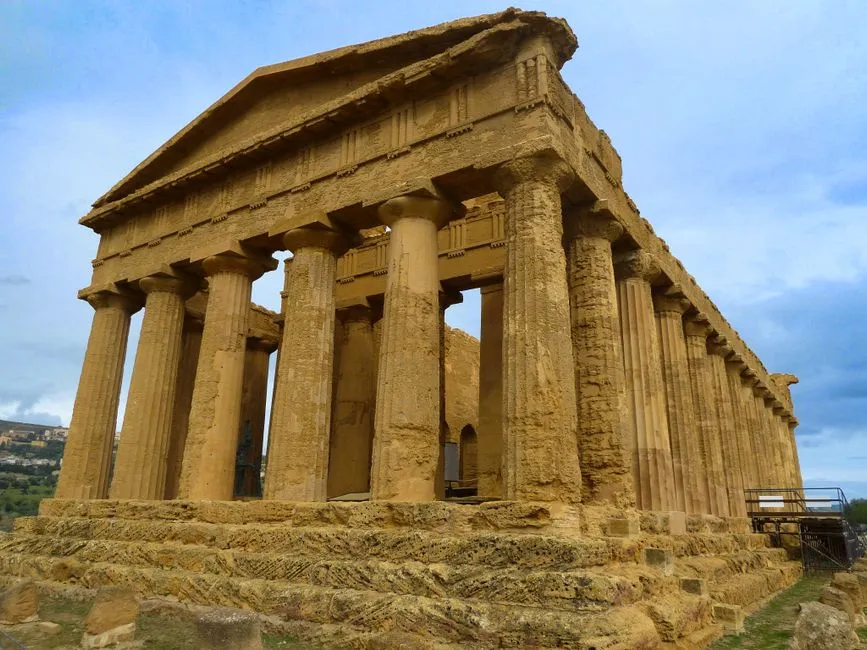
A UNESCO World Heritage Site since 1997 and, at 1,300 hectares, one of the largest archaeological parks in the world: eleven Doric temples, several sanctuaries, and extensive necropolises. The Temple of Concordia is the best-preserved Doric temple anywhere — it survived because it was converted into a Christian basilica in the 7th century, instead of ending up as a quarry like other temples did. Best visited early morning or at sunset, when the light turns the temples gold and the tour buses haven't arrived yet. Full details in the Agrigento guide.
The Baroque towns of the Val di Noto
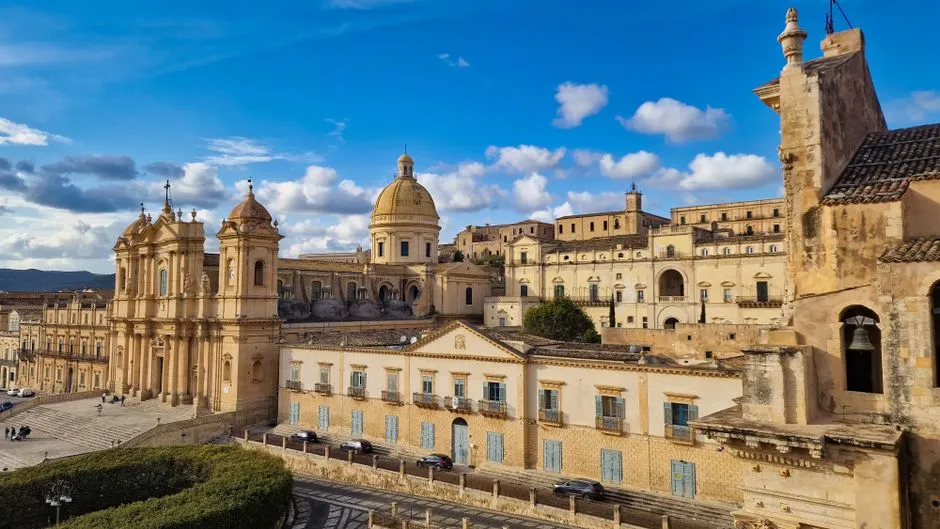
Eight towns in southeastern Sicily — including Noto, Modica, Ragusa, and Scicli — were completely rebuilt after the devastating 1693 earthquake, in a unified late-Baroque style. Jointly a UNESCO World Heritage site since 2002. Noto is considered the "capital of Baroque," with an almost theatrical urban layout. Modica sits in a deep valley, its old town seemingly growing straight out of the rock. If you can only manage one town, make it Noto — with two days, add Modica (also for its famous Aztec-recipe chocolate). More in the Ragusa & Modica guide.
Taormina and the ancient theater
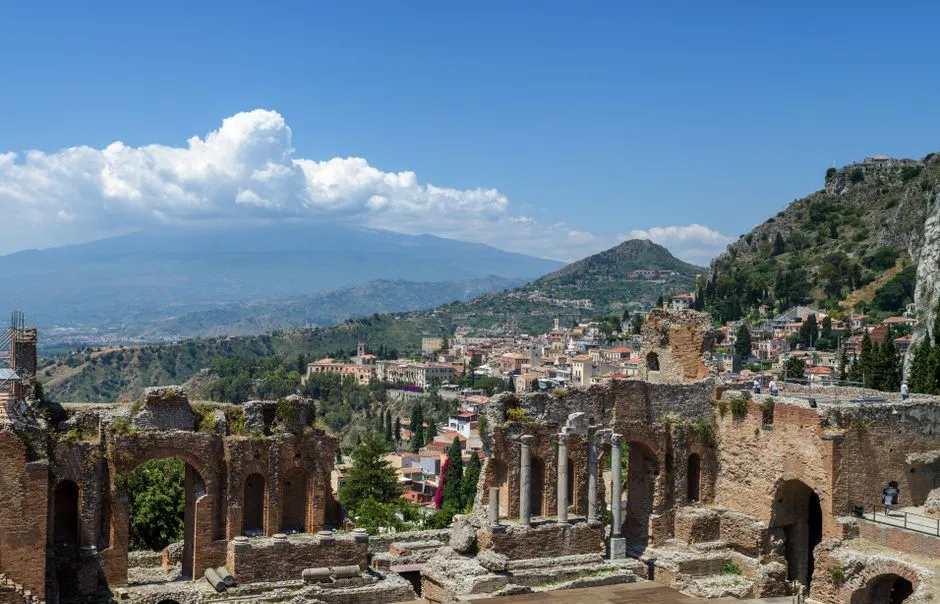
Sicily's most photographed postcard shot, for good reason: the ancient Greco-Roman theater offers a view with Etna rising directly behind the stage — a backdrop no other ancient theater in the world can match. The downside: Taormina is correspondingly overrun, especially at midday in summer. Honest tip: come early in the morning, before the day-trippers from Catania and Messina arrive. Full timing and details in the Taormina guide.
Mount Etna
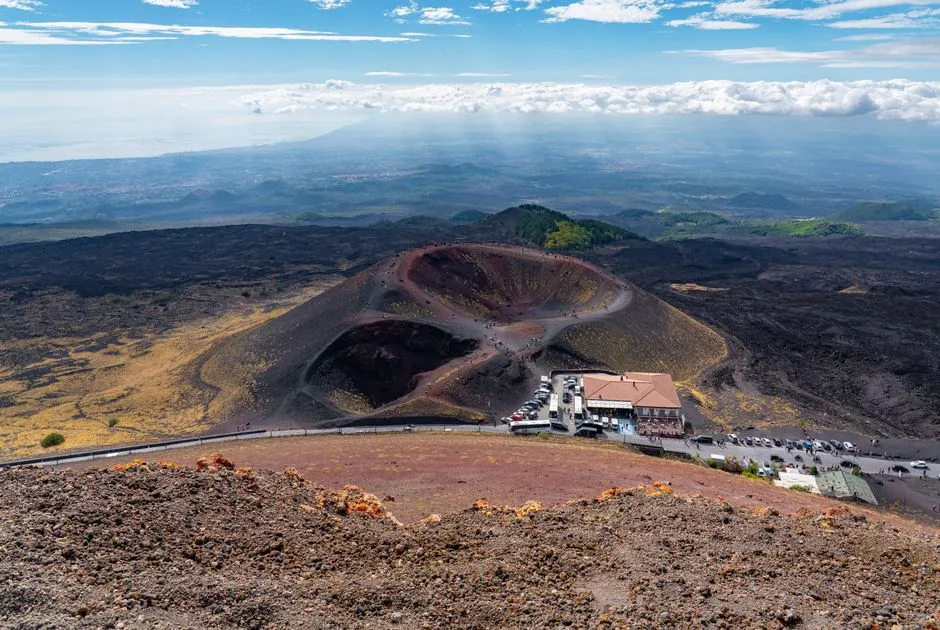
Europe's highest and most active volcano, constantly in motion — literally. You don't have to hike to the summit to experience it: even a walk around the craters near Rifugio Sapienza, or a ride around it on the historic Circumetnea railway, gets across why this landscape is so unique. Worth knowing: weather and volcanic activity can restrict access to the upper areas at any time — staying flexible pays off. All articles on the region: Catania & Etna.
Palermo: the Cathedral, the Cappella Palatina, and the markets
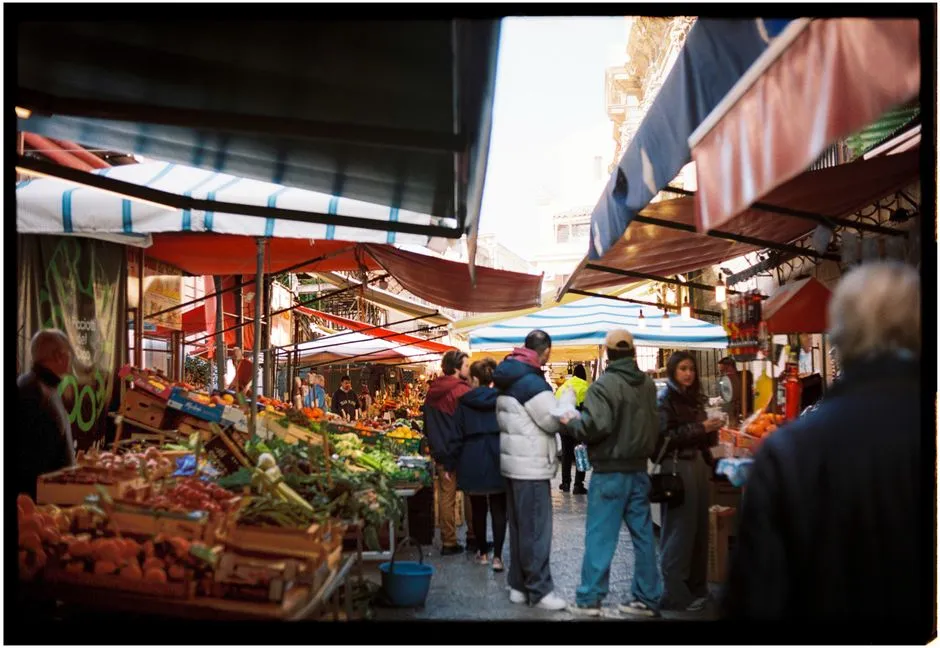
Palermo is louder, more chaotic, and more layered with history than the rest of the island — that's exactly what makes it what it is. The Cappella Palatina inside the Palazzo dei Normanni, with its Byzantine gold mosaics, is considered one of the most beautiful chapels in the world. Add the historic markets (Ballarò, Vucciria, Capo) for a genuine street food experience, not just a photo op. All articles on the region: Palermo.
Syracuse and Ortigia
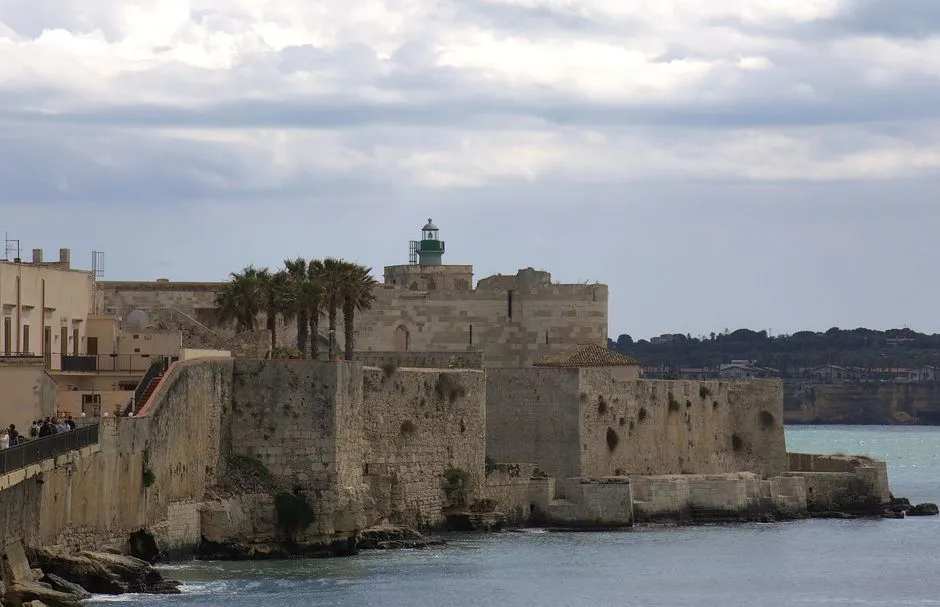
The old-town island of Ortigia, connected to mainland Syracuse by just two short bridges, is one of the most atmospheric spots in Sicily in the evening. Add the archaeological park with its Greek theater and the Latomie (ancient quarries, some turned into gardens). If you want Sicily "in Greek," this is a better fit than Agrigento. More in the Syracuse article.
Cefalù
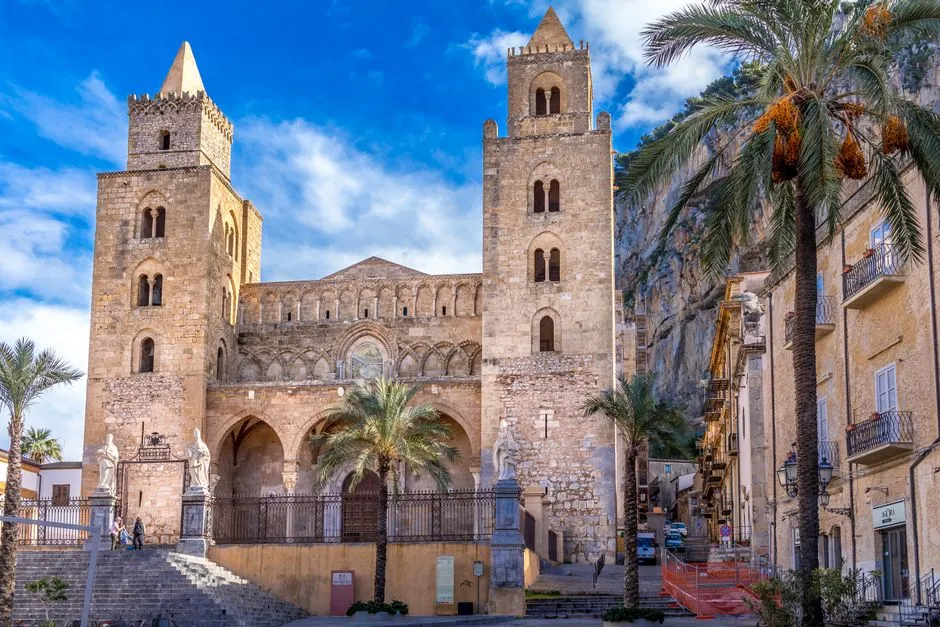
A small coastal town with a Norman cathedral, a sandy beach right in town, and a distinctive rock ("La Rocca") looming above it. Compact enough for a day trip from Palermo, but with enough substance to justify more time. Details in the Cefalù guide.
The Aeolian Islands
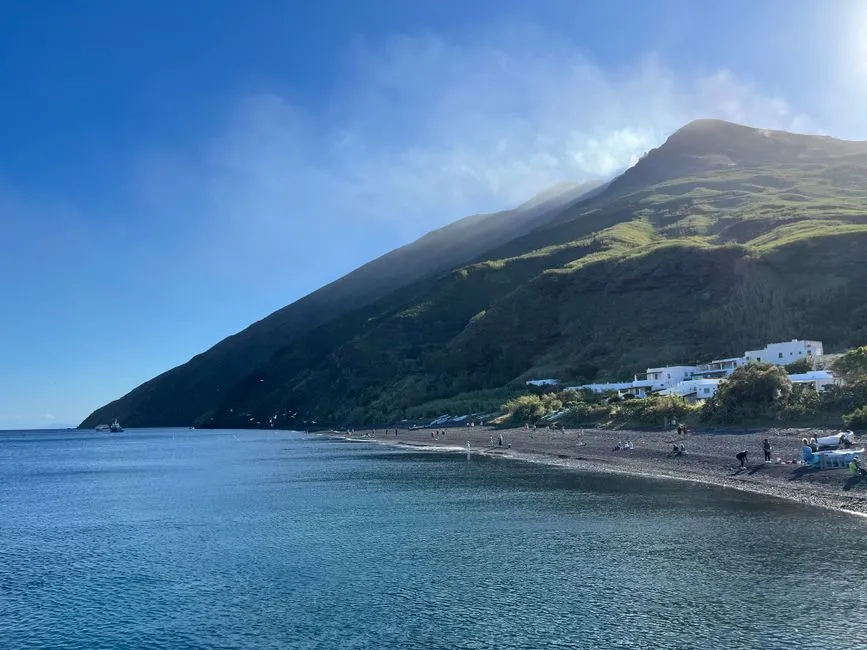
Seven volcanic islands north of Milazzo, including Lipari, Vulcano (with its sulfur mud baths), and Stromboli, whose volcano has been almost continuously active for centuries, literally. Reachable by ferry or hydrofoil — a trip of its own, not a casual day add-on. The complete Aeolian Islands guide.
Trapani: salt pans, old town, and the ferry to the Egadi Islands
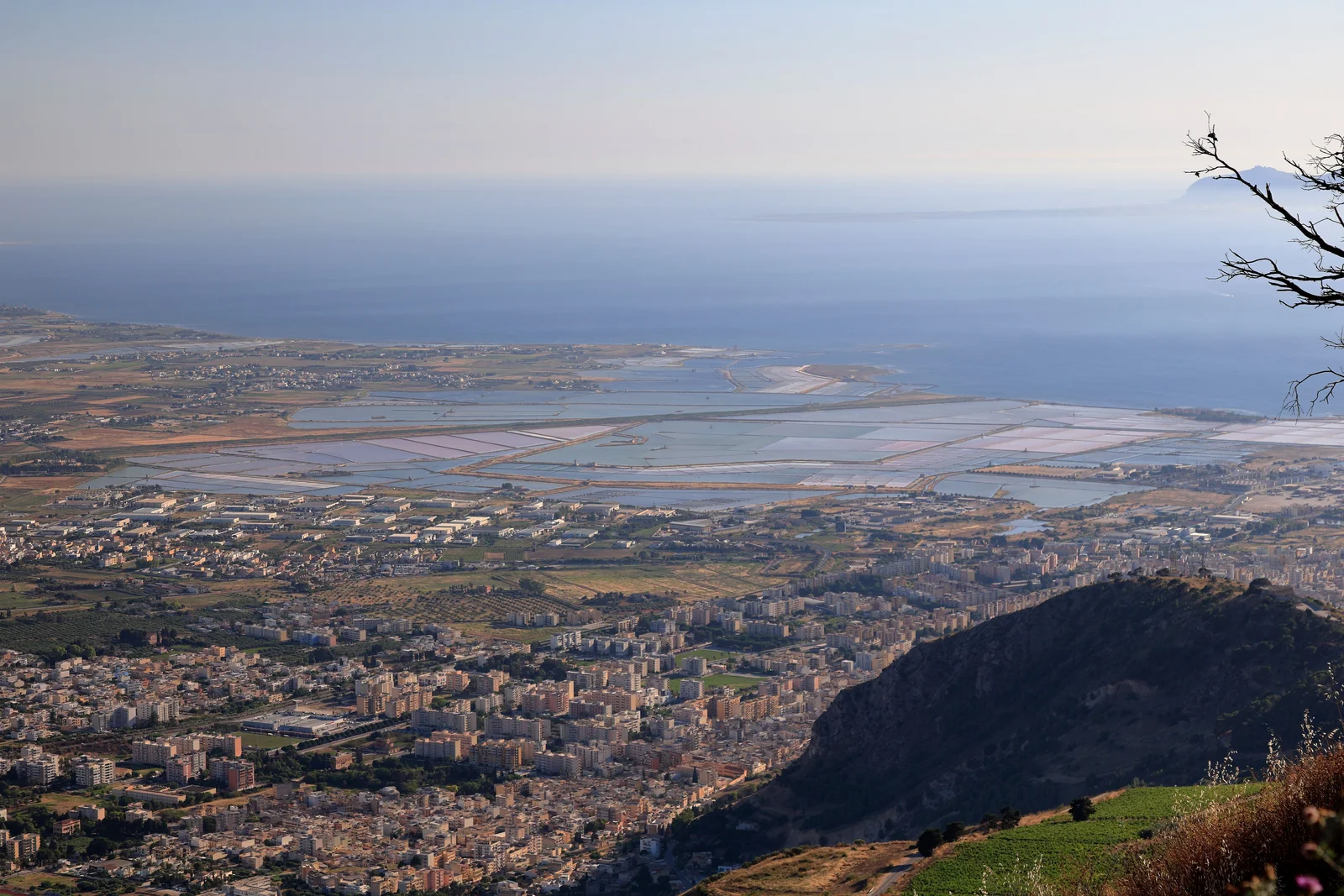
At the island's westernmost tip, which is exactly why most Sicily travelers skip it — a mistake. The salt pans of Trapani with their pink-tinged basins and historic windmills, the medieval hilltop town of Erice above the coast, and the ferry to the Egadi Islands (Favignana, Levanzo, Marettimo) combine well into one or two days. Full details in the Trapani guide.