The Aeolian Islands: The Complete Guide for Your First Trip
 Daniele Bellia · 6 min read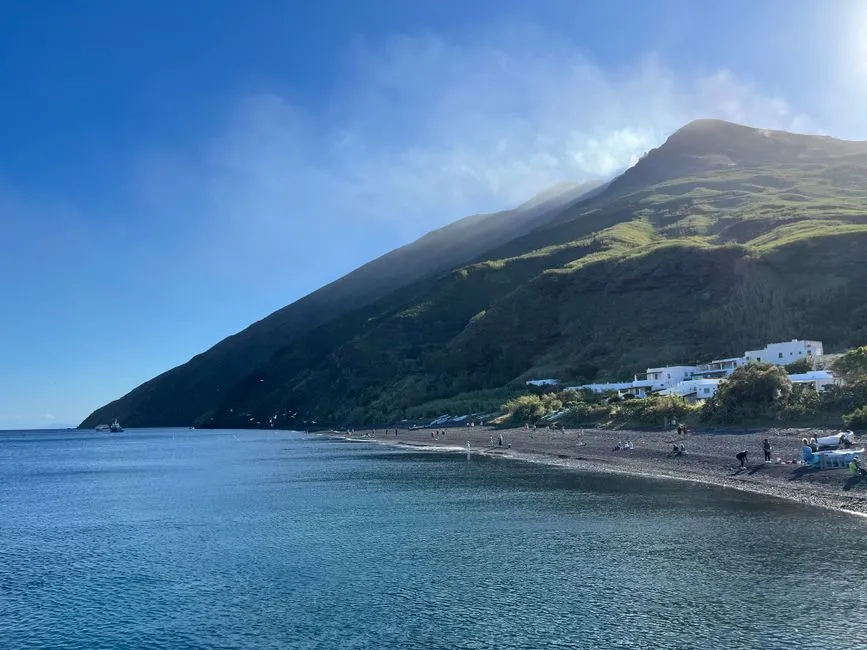
A lot of Sicily visitors assume they can sip a drink on a beach bar terrace in Taormina or Milazzo and watch Stromboli spit lava in the distance. That’s not really true: on a clear night, from a handful of elevated spots on the north coast like Capo Tindari, you might catch a faint orange glimmer on the horizon — nothing close to what you see up close. To actually watch Stromboli glow, you have to go there. And it’s worth it, because the Aeolian Islands (Isole Eolie, named after Aeolus, the god of winds) are the single most striking day trip — or really, multi-day trip — that Sicily has to offer.
Seven islands, seven completely different personalities
The Aeolian Islands are an archipelago of seven inhabited main islands, a UNESCO World Heritage Site since 2000. First-timers should know just how different they are from one another:
- Lipari – the largest island, by far the best infrastructure (hotels, restaurants, shops), and the main arrival port. A solid home base if you don’t want to pack up every night.
- Vulcano – just 40 minutes from Lipari, famous for its mud baths (Fanghi) and the sulfur smell that hits you as soon as you step off the boat.
- Stromboli – the active volcano that has been producing small eruptions almost nonstop for centuries. The headline act of the whole archipelago.
- Salina – the greenest and quietest island, known for capers and Malvasia dessert wine. My personal pick for good food without the crowds.
- Panarea – the smallest, glossiest, and by far the most expensive island, a summer magnet for Italy’s jet-set crowd.
- Filicudi & Alicudi – the most remote and least developed islands; Alicudi still has almost no cars, just mules and hand carts.
Getting there: Milazzo, not Catania or Palermo
The most common beginner mistake: people search for ferries from Catania or Palermo. Both work only with detours or on a limited seasonal schedule. The real departure port for the Aeolian Islands is Milazzo, on Sicily’s north coast, easily reached from Taormina (about 1 hour by car or by train plus bus) or Catania (about 1.5 hours by car).
From Milazzo, Liberty Lines runs hydrofoils (aliscafi) to the islands several times a day — on a typical summer day there are roughly 15 to 17 direct-ish connections to Lipari. The direct crossing to Lipari takes about 1 hour 5 minutes and starts at around €20-25 per person one way; boats that stop at Vulcano, Salina, or Panarea along the way take longer accordingly. Getting to Stromboli takes 2 to 3 hours depending on the route and stops. Important: in peak summer (July/August) book tickets online at least a few days ahead, especially for afternoon departures and anything heading to Panarea — boats sell out regularly. There are also slower, cheaper conventional ferries (traghetti) run by Siremar, mainly worth it if you want to bring a car.
One island or several? My honest take
As a day trip from Milazzo, realistically only one island works well if you don’t want to spend the whole day on boats — Lipari is the most popular choice, often combined with a short hop to Vulcano. A Stromboli-only day trip from Milazzo requires a very early start and usually ends late at night, since the best boat tours to the Sciara del Fuoco only leave after sunset. If you actually want to see several islands — which I’d recommend to anyone making the trip out here in the first place — plan for at least 4 to 5 nights: two on Lipari as a base, one or two on Salina, and a night on Stromboli to properly experience the eruptions. Cars are barely necessary on the smaller islands and are partly banned outright on Stromboli, Panarea, and Alicudi — scooters, electric golf carts, or just walking are all you need.
Stromboli: the main event
The volcano has been almost continuously active for centuries, which is why it’s known in the Mediterranean as the “lighthouse.” Since the severe paroxysmal eruption in July 2019, which killed a hiker, the climb to the 924-meter summit has been closed: unguided hiking is allowed only up to 290 meters, and with a certified volcano guide up to a maximum of 400 meters. The guided tour to the viewing terrace at around 400 meters costs about €30 per person (children aged 10 to 12 pay around €15), takes several hours including the descent at dusk, and is run by experienced operators like Magmatrek — sturdy hiking boots are mandatory, not optional (see also my packing list).
For anyone who doesn’t want a multi-hour mountain trek: the classic — and in my opinion the most impressive — way to experience the eruptions is an evening boat tour to the Sciara del Fuoco, the black volcanic ash slide on the northwest flank down which glowing material regularly tumbles into the sea. These tours leave from Scari harbor around sunset, cost roughly €25 to €60 per person depending on the operator, and last about 1.5 to 2 hours. If you’re doing this from Milazzo rather than staying overnight on Stromboli, this evening boat trip stops at Panarea first, then reaches Stromboli in time to watch the Sciara del Fuoco from the water after dark (affiliate link — booking through it costs you nothing extra and helps support this site), all in one booking.
Vulcano: mud baths, with a caveat
Vulcano is just a short boat ride from Lipari and is a popular half-day trip thanks to the Fanghi, sulfurous mud baths right by the harbor. Entry costs just a few euros, but be warned: the pool gets shut down by local authorities whenever gas activity spikes, most recently for stretches in 2025 — always check current status before planning your day around it. The climb to the Gran Cratere della Fossa is likewise subject to gas monitoring and is closed on principle during the hottest hours, 10am to 4pm, in summer. And yes, about that sulfur smell: it’s genuinely intense and follows you around pretty much everywhere on the island — a curiosity for some, a reason to cut the visit short for sensitive noses.
Salina and Panarea: two opposites
Salina is the green, quiet island for anyone who’d rather have good wine and good food than a party scene — known for capers and the sweet Malvasia wine, which you can taste directly at small local wineries. Panarea is the exact opposite: the most expensive island in the group, with mid-range summer accommodation running roughly €250 to €450 a night, an Aperol Spritz that’ll happily cost you €15, and a celebrity density you’d otherwise expect in Portofino. If you’re visiting in August, know this: between August 10 and 20, boats are often fully booked and the island is at capacity — if you’re after some peace and quiet, June or September is a much better bet.
The practical takeaway
For a first visit: plan around Milazzo as your starting point, book tickets online ahead of time in summer, combine at least Lipari and Stromboli, and pack a light jacket for the Sciara del Fuoco boat tour — it gets cool out on the water at night even in August. If you’re keeping an eye on the overall cost of your Sicily trip, my budget guide has some useful reference points for what a few days in the Aeolian Islands realistically adds to the total.