Sicilian Festivals: The Calendar Guidebooks Don't Have
Sicily has festivals that go far beyond what's in the average guidebook — mostly centuries-old religious or folk traditions that are a central part of the year for locals, but almost unknown to foreign tourists. Here are seven worth a detour if your travel dates line up.
Festa di Sant'Agata, Catania — February 3–5
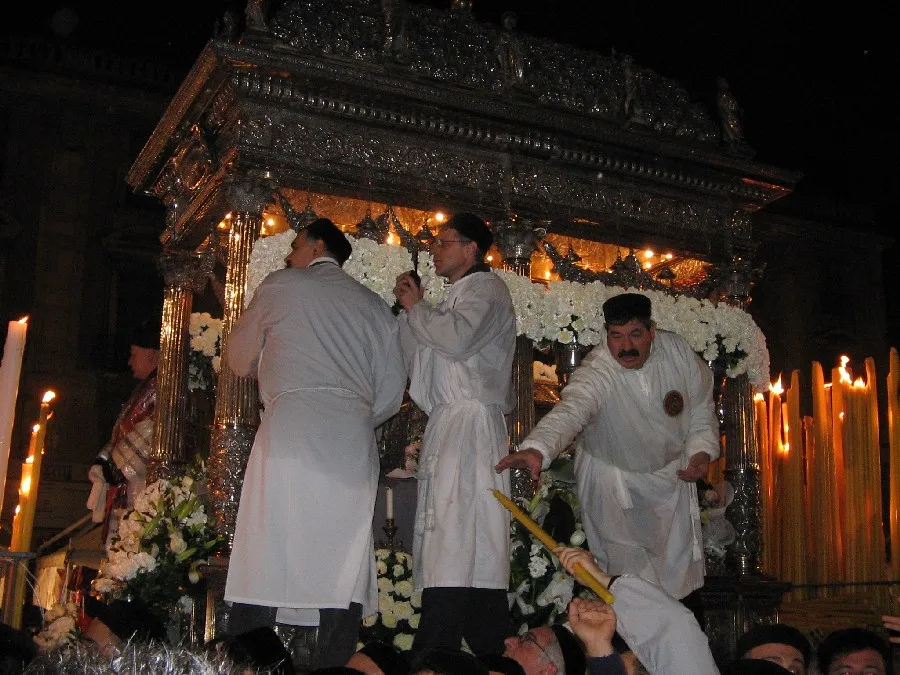
The Festa di Sant'Agata is considered one of the largest religious festivals in the world — and most foreigners have never heard of it. It commemorates the martyrdom of Saint Agatha in 251 AD and the return of her relics to Catania in 1126. The core celebration runs February 3–5 (the full festival cycle stretches from January 30 to February 12): on February 3, a candlelight procession moves through the city; on February 4, a long procession begins at dawn carrying the silver reliquary shrine ("fercolo") around the entire old town — a full night and day, accompanied by hundreds of thousands of devotees in white robes.
Carnevale di Acireale — Late January to mid-February
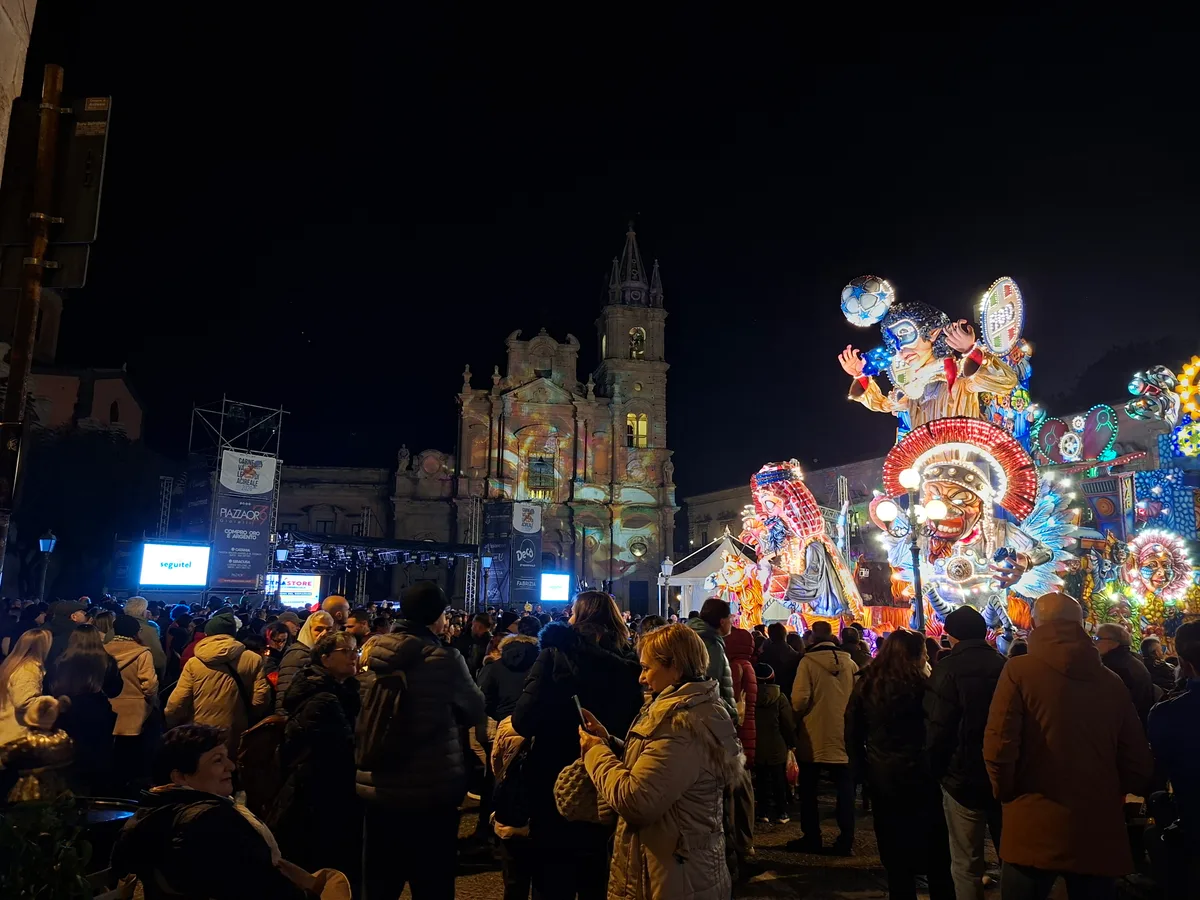
Often called "Sicily's most beautiful carnival": huge, mechanically animated floats carrying satirical papier-mâché figures parade through the baroque old town of Acireale, near Catania. The tradition is documented back to the late 16th century. In 2026 the carnival runs January 31 to February 17. Worth knowing: the famous flower-covered floats Acireale is also known for have belonged to a separate spring event since 2017 (the "Festa dei Fiori," April 30 to May 3 in 2026) — no longer part of the winter carnival itself.
Infiorata di Noto — Mid-May
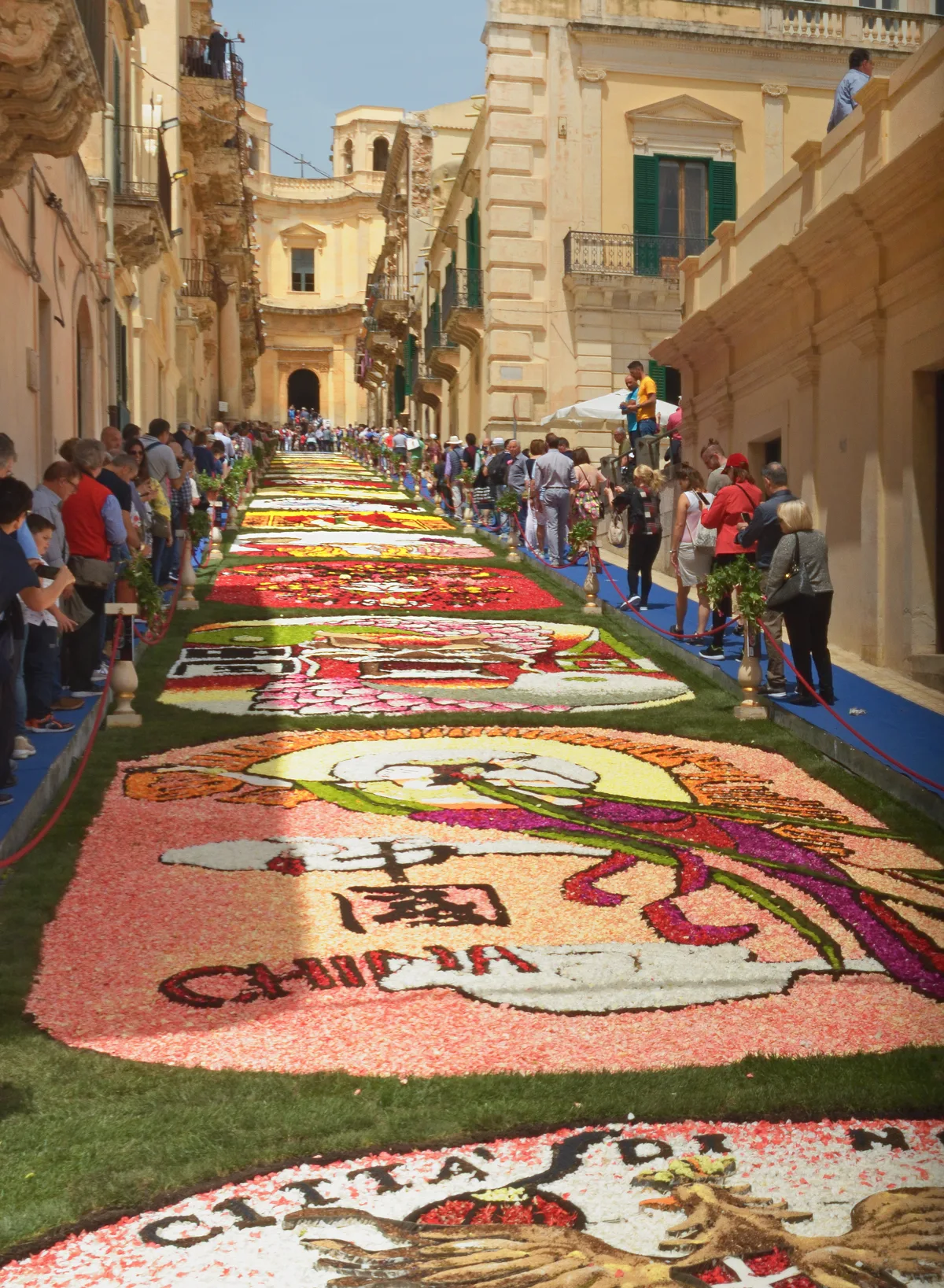
For one weekend, Noto's baroque Via Nicolaci is transformed into a long carpet of millions of flower petals — intricate images made entirely from real flowers, no paint or glue involved. The tradition began in 1980 through a collaboration with Genzano di Roma, which has a centuries-old flower-carpet tradition of its own. In 2026 the 47th edition runs May 16–19 (setup starts May 15), admission €5 (€3 reduced).
Misteri di Trapani — Good Friday
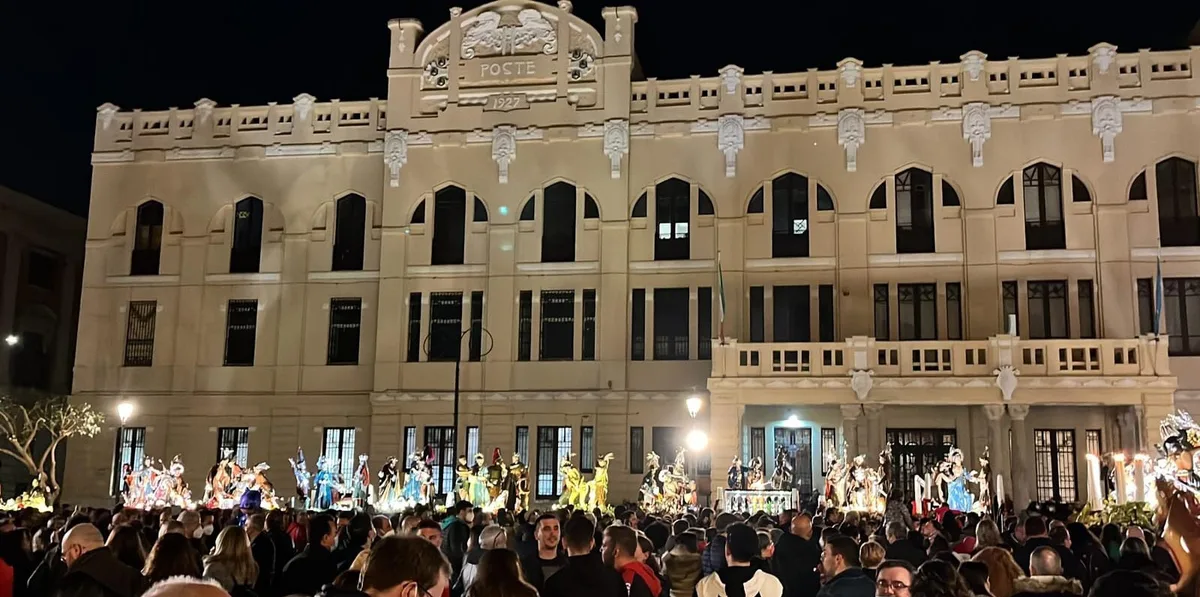
One of the oldest processions in Italy, with 16th/17th-century roots and Spanish influence: 18 sacred sculptural groups (made of wood, canvas, and glue in the 17th/18th century) move through the streets of Trapani for almost 24 hours straight, starting at 2 PM on Good Friday, carried by the traditional artisan guilds ("ceti") and accompanied by funeral marches. If you're in Sicily for Easter, don't miss it.
Festa della Madonna della Luce, Mistretta — September 7–8
The strangest thing on this page, and almost unknown outside the Nebrodi. Alongside the statue of the Madonna della Luce, two giants are carried through Mistretta:Kronos, holding a drawn sword, and Mithia, carrying wheat ears and wildflowers. They have no legs — the bearers take the whole weight on their shoulders — and in the square before the sanctuary they perform a ritual dance.
The legend behind it says a sacred image of the Madonna was found together with human bones of unusual size, taken to be two giants set to guard her. Whatever you make of that, what you are watching is pagan and Christian tradition fused into one event, on the same two dates every year.
Cous Cous Fest, San Vito Lo Capo — September 18–27, 2026
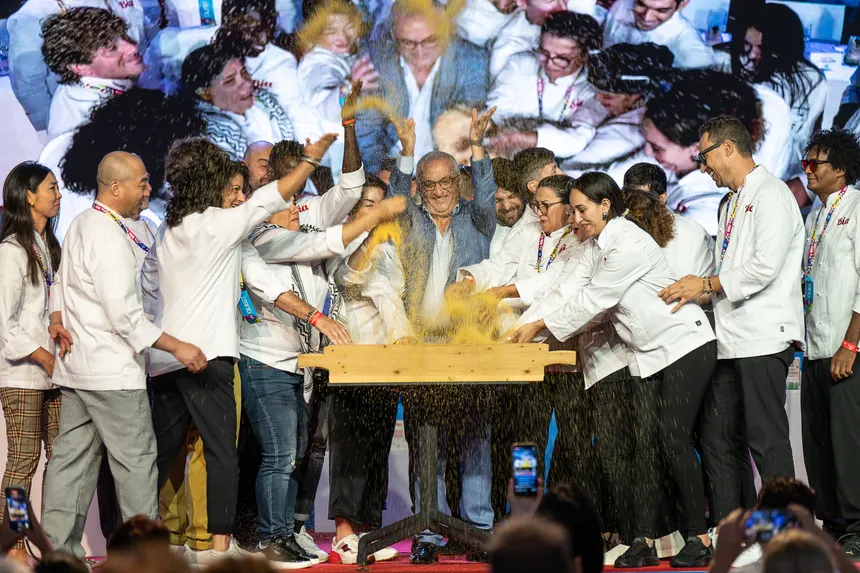
Worth knowing that couscous in Sicily is not a borrowed novelty: in Trapani province it is local food, fish-based rather than meat-based, and has been for centuries. For ten days San Vito Lo Capo turns that into a festival — chefs from different countries competing, cooking shows, tastings across a food village, and free concerts on the beach.
It lands in the sweet spot of the year: the sea is still warm, the August crowds have gone, and prices have come down. If you want one reason to be in the west of Sicily in September, this is it — but book a bed early, because the whole town fills.
Sagra del Pistacchio, Bronte — September 25–27 and October 2–4, 2026
Bronte sits on Etna's western slope, and the pistachios grown on that lava soil are a DOP product that costs several times the price of any other. The 35th edition runs over two weekends, along Corso Umberto: pistachio in everything from pesto to ice cream to arancini, plus producers selling the raw article at something closer to a sane price.
One thing worth knowing before you spend money there: the harvest only happens in odd years. The trees are stripped of their buds in the off year so they can rest, which is why Bronte pistachio costs what it does. 2026 is a rest year — the festival runs as always, but what is on sale is the 2025 crop. The next fresh harvest is September 2027.