Selinunte: The Same Greek Temples as Agrigento, Minus the Crowds
 Daniele Bellia · 4 min read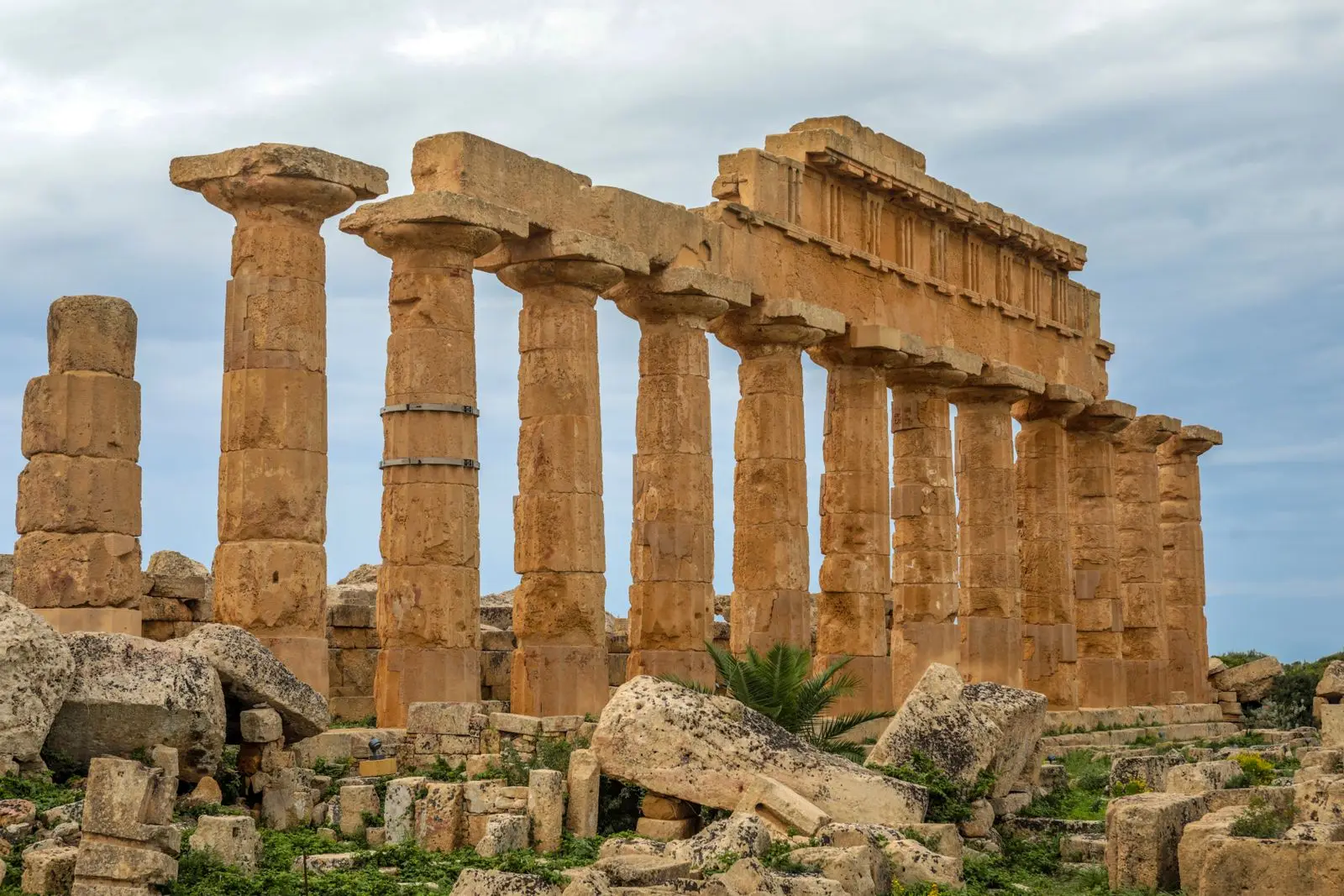
Most people who want Greek temples in Sicily go straight to Agrigento’s Valle dei Templi, and there’s a reason — it’s spectacular. What far fewer people know is that Selinunte, on the other side of the island, is actually the larger site of the two, sits directly on a clifftop over the sea rather than inland, and gets a fraction of the visitors. If you’ve already done Agrigento, or you’d rather see comparable ruins without fighting a crowd for the photo, Selinunte is the one to add.
Why this site instead of, or alongside, Agrigento
Selinunte is officially the largest archaeological park in Europe — the ruins of an entire Greek city-state, not just a row of temples, spread across two hills and a stretch of coastline. Most of it was never rebuilt: an earthquake toppled the temples centuries after Carthage sacked the city in 409 BC, and unlike Agrigento, where several temples were restored to something close to their original form, Selinunte mostly stayed as it fell. Walking among genuinely tumbled column drums, some still lined up in the order they collapsed, gives the place a different feeling from Agrigento’s more polished, more visited Valle dei Templi — closer to an active excavation than a monument.
Temple C: the oldest survivor, up on the acropolis
The acropolis hill holds the site’s oldest temple, built around 550 BC and possibly dedicated to Apollo. In the 1920s, archaeologists re-erected 14 of the original 17 columns on its north side using anastylosis — reassembling the temple’s own fallen stones rather than adding new material — which is why it’s the best-preserved structure on the acropolis today. It’s also the one looking straight out over the sea, which is the view worth timing your visit around.
Temple E: the one everyone photographs
Over on the East Hill, a separate cluster of temples includes Temple E, reconstructed in 1958 in a project that was controversial at the time for how much modern material it used. Controversy aside, it’s the most complete-looking structure at Selinunte today — a full row of standing columns with its entablature intact — and it’s the shot most people come away with. The East Hill temples are a short walk from the acropolis, not a separate trip, so plan to see both.
The detour worth making: Cave di Cusa
About 30 minutes away by car sits Cave di Cusa, the quarry that supplied Selinunte’s temple stone. What makes it worth the drive is that the work stopped mid-process when Carthage attacked in 409 BC — half-cut column drums are still sitting in the rock exactly where the quarrymen left them, some still attached to the bedrock they were being carved from. It’s the closest thing to seeing how these temples were actually built, and it’s a genuinely different kind of place from the temples themselves. Cave di Cusa keeps its own separate hours (roughly March to October, 9am–2pm) and its own ticket — check current times before building it into the same day.
Tickets and hours
Full admission to the Selinunte archaeological area is €14, with a €7 reduced rate; Cave di Cusa is priced separately at €4 full / €2 reduced, and isn’t bundled into the Selinunte ticket by default. Opening hours shift by season — roughly 9am–6:30pm in spring and autumn, extending to 8am–7pm at the height of summer (May to mid-September), and cutting back to 9am–3:30pm in winter — so check the park’s official site for your exact date rather than assuming last summer’s hours still apply. Like most state-run sites in Sicily, entry is free on the first Sunday of every month.
Getting there
Selinunte sits about 13km from Castelvetrano, roughly a 20-minute drive, with a local Autoservizi Salemi bus service also running the route (around 30 minutes) if you’re not renting a car. From Trapani or Marsala, plan on about an hour by road. There’s parking at the site entrance, so this isn’t a walk-in-only destination the way some coastal spots in the area are.
Practical tips before you go
Give yourself a genuine half-day, not a quick stop — the site is large, mostly flat, but almost entirely unshaded, so bring water and a hat and avoid the midday sun in summer if you can. It’s a comfortable, family-friendly walk (no serious climbing, unlike Erice or Segesta’s hilltop settings), and crowds stay moderate even in peak season, which is the whole reason to come here instead of, or in addition to, the Valle dei Templi.
My honest verdict
If you can only fit one Greek temple site into a Sicily trip, Agrigento’s Valle dei Templi is still the more complete, more famous experience. But if you have room for both, or you’re already based in the west of the island near Trapani or Marsala, Selinunte gives you the same era of history, arguably a better setting right on the sea, and none of the crowd management that comes with Agrigento’s fame. Add Cave di Cusa if you have the extra 30 minutes — it’s the one place nearby that shows you how, not just what.
More on the area in the Trapani region guide.