What Does a Day in Palermo Really Cost?
 Daniele Bellia · 4 min read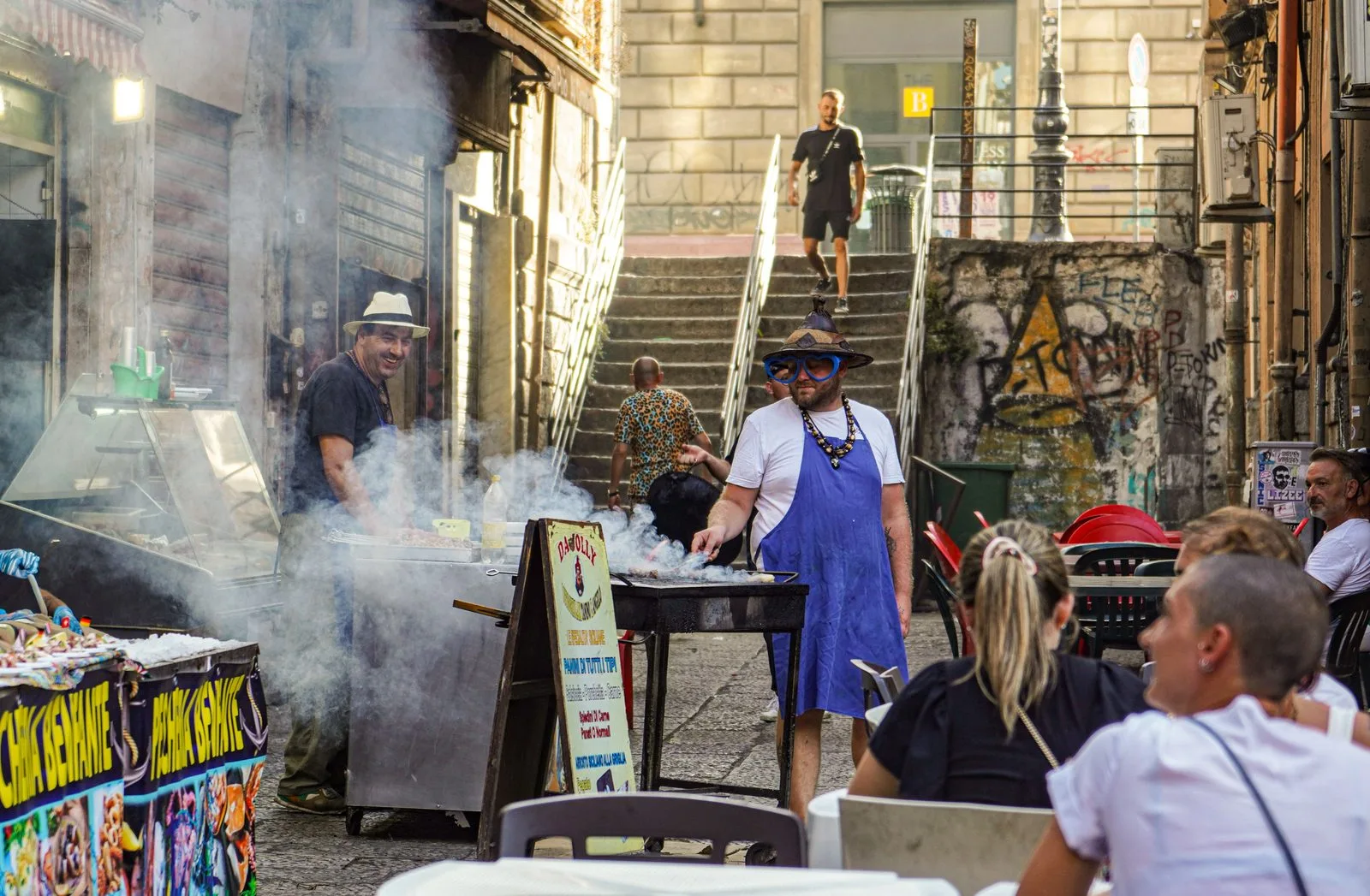
Palermo has a reputation for being cheap, and it mostly deserves it — but “cheap” hides a wide range depending on where you eat and how you get around. I dug up current, real numbers instead of guessing, the same way I did for our Catania budget check, so you can actually plan instead of getting surprised at the till.
The bus in Palermo: what an AMAT ticket really costs
AMAT runs Palermo’s buses and tram. A standard ticket, valid 90 minutes, costs 1.40 euros bought in advance — from a tabaccheria, ticket machine, or the PalerMobilità/MyAmat app — but jumps to 1.80 euros if you buy it straight from the driver on board. If you’re moving around a lot in one day, a day ticket at 3.50 euros pays for itself after just three rides.
The lesson here is the same one that trips up visitors in every Sicilian city: buy your ticket before boarding whenever you can. It’s not a scam, it’s just how the system is priced, and the difference adds up fast if you’re taking four or five rides a day.
The one big-ticket sight: Palazzo dei Normanni and the Cappella Palatina
If there’s one paid attraction worth budgeting for properly, it’s this one. The Palatine Chapel, tucked inside the Palazzo dei Normanni, is covered floor to ceiling in Byzantine mosaics — full admission (Royal Apartments plus chapel) runs 19 euros for adults, with reduced rates for under-25s and EU citizens over 65. It’s open Monday to Saturday 8:15 to 17:40 and Sunday mornings only, with the chapel closed to visitors on Sundays between roughly 9:45 and 11:15 for services — worth checking the current hours before you plan around it, since a missed window means backtracking across town.
For comparison, most of Palermo’s other must-sees — the markets, the old town streets, the Quattro Canti, the exterior of the Cathedral — cost nothing at all. This is genuinely the one line item in a Palermo day that pushes the budget up, and it’s worth it.
Eating in Palermo: what locals actually pay
This is where Palermo pulls ahead of almost anywhere else in Sicily for value, provided you eat where Palermitani eat.
Pane câ meusa (bread with spleen, the city’s signature and most polarizing street food) runs 1.50 to 2 euros at an honest stall — ask for it “schietto” (plain, with just lemon) or “maritata” (with caciocavallo and ricotta) the way locals order it. Panelle and crocché (chickpea fritters and potato croquettes, usually stuffed together into a roll) land in the same range at any of the historic markets — Ballarò, Capo, or Vucciria — open roughly 7am to 7 or 8pm, best visited in the morning before the midday heat and the thinnest crowds. If you’d rather not guess which stalls are actually good, this small-group street food tour with a local covers the markets with someone who already knows where to eat (affiliate link — costs you nothing extra and helps support this site).
A full plate at a market stall, sampling two or three different street foods, comes to under 15 euros — genuinely one of the best-value meals anywhere on the island. A proper sit-down lunch with pasta and a second course runs closer to 15-20 euros per person, roughly the same as in Catania. Save room for a cannolo from an actual pasticceria rather than a tourist-strip café — a good one runs 2 to 3.50 euros and tastes like a different dessert entirely from the pre-filled, soggy version sold near the cruise port.
A realistic day plan, numbers included
A day covering the historic center, one paid sight, and normal meals — no luxury, no penny-pinching:
- Bus tickets, a few rides around town: 4-5 €
- Cappella Palatina + Royal Apartments: 19 €
- Street food lunch at Ballarò (two or three items): 10-13 €
- Cannolo from a real pasticceria: 3 €
- Dinner at a normal trattoria: 18-20 €
That comes to roughly 55-60 euros for a full day including the one big sight. Skip the Cappella Palatina and it drops to about 35-40 euros — genuinely one of the more affordable full days you can build anywhere on the island, markets and mosaics included.
What these numbers really tell you
Unlike Catania, where Etna dominates the budget, Palermo’s costs are much flatter — no single activity forces a big spend, which makes it an easy city to under-budget for by accident, since nothing forces you to sit down and calculate ahead of time. The real difference between a 35-euro day and a 70-euro one almost always comes down to where you eat: a block away from the main tourist strips near the Cathedral or Quattro Canti, prices at nearly identical-looking places can differ by 30-40%, with no difference in quality — often the opposite.
More on the city in the Palermo region guide, and see it on our interactive Sicily map.