Palermo Neighborhoods: Kalsa, Capo, Vucciria or Libertà?
 Daniele Bellia · 7 min read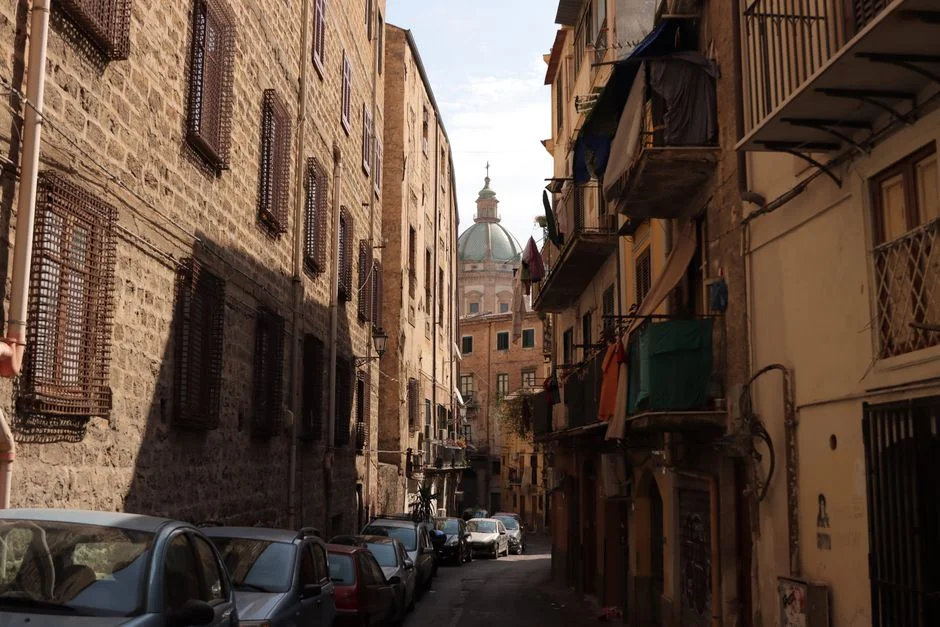
Every time friends from Germany land after the airport transfer into Palermo and ask me where to book, I tell them the same thing first: there’s no wrong answer, but there is a wrong expectation. A lot of people imagine Palermo as a fully renovated Italian old town where every neighborhood is equally charming and equally quiet. It isn’t. Kalsa, Capo, Vucciria and Libertà all sit close together, but they feel completely different from one another — during the day, and even more so at night. Here’s the honest version, not the glossy brochure one.
Kalsa: the neighborhood changing the fastest
Kalsa is historically Palermo’s Arab quarter — the name comes from Al-Khalesa, roughly translating to “The Chosen One”. For a long time it had a reputation as somewhere you didn’t want to be wandering alone at night. That’s not really true anymore. A lot has shifted here in recent years: Palermo has gotten younger, and its art scene has grown considerably, with Kalsa right at the center of it. Around Piazza Kalsa you’ll find street food stalls and craft shops that make up the real, everyday soul of the neighborhood.
For first-time visitors, that translates into this: you’ll be staying among Baroque churches, with sea views toward Foro Italico, and evenings here are noticeably livelier than they were ten years ago, with bars and a growing gallery and street-art scene. Pair Kalsa with Vucciria and you get an alternative vibe with lively street art and nightlife, combined with a creative, youthful energy. The catch: some corners away from the main squares are still dark and empty at night, and not every building in Kalsa has been restored — a beautifully renovated palazzo can sit right next to a crumbling ruin. That’s not staged grit for tourists, that’s just Palermo mid-renovation.
Who is Kalsa for? Anyone who wants to explore on foot, who values being close to the sea and to churches like Santa Maria dello Spasimo, and who wants to still go out in the evening without needing a car or taxi.
Capo: the most authentic neighborhood, and the least polished
Capo (along with the neighboring Ballarò) is the city’s historic market core. During the day it’s a feast for the senses — vendors shouting, fish stalls, mountains of fruit, real street life. That’s exactly what visitors love, and exactly what gets sold as a “hidden gem” in nearly every blog post, even though it’s been anything but hidden for a while now.
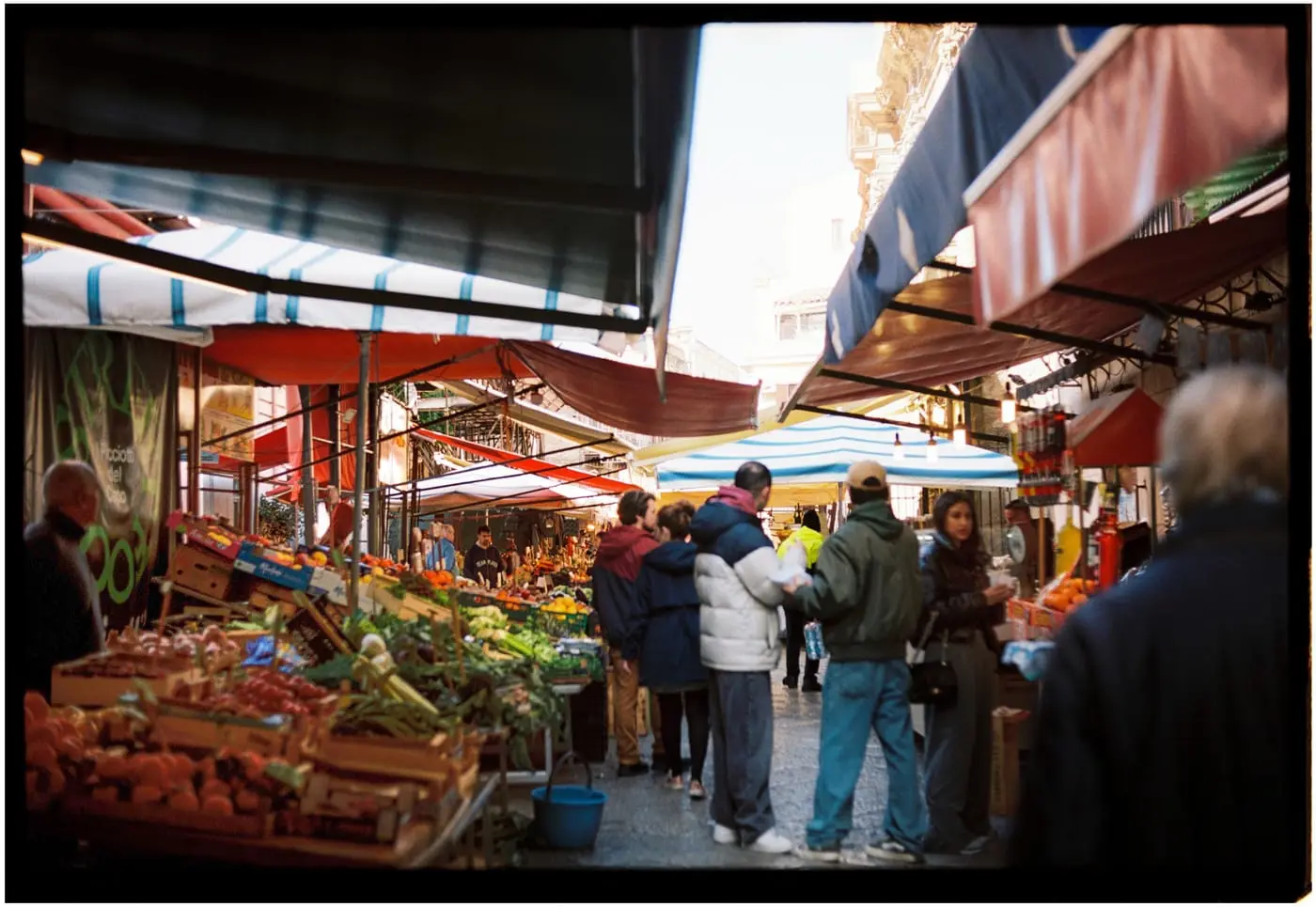 Photo: Masi, via Pexels
What gets mentioned less often: the picture changes at night. During the day, Ballarò can be considered reasonably safe as long as you stay alert, but the streets are narrow, poorly lit, and often deserted once the shops close. Some sources even list Ballarò among the neighborhoods not recommended for a nighttime stroll — that’s probably overstated for a short walk back to your hotel, but it’s still a sign that you shouldn’t be wandering aimlessly through side alleys after dark here.
In practical terms: few hotels, lots of vacation rentals, often in buildings that are still original and sometimes in rough structural condition — that’s part of the charm, but not for anyone who cares about modern comfort. If you book here, check the listing carefully (elevator? air conditioning? market noise starting at 6am?) rather than trusting the pretty photos.
Who is Capo for? Anyone who wants to wake up in the middle of real, loud, unfiltered Palermo and is out and about most of the day anyway. Not ideal for a first visit to Sicily with young kids, or for anyone who needs quiet evenings.
Vucciria: market by day, party by night
Vucciria is the most misunderstood of the bunch. The market itself has shrunk over the years and is a shadow of what it once was — but the atmosphere is still wild, loud and genuine, with vendors and fresh fish laid out on ice. At night the neighborhood flips completely: it becomes the city’s central nightlife hub, with street vendors selling beer and wine, music, and crowds of young people filling Piazza Garraffello.
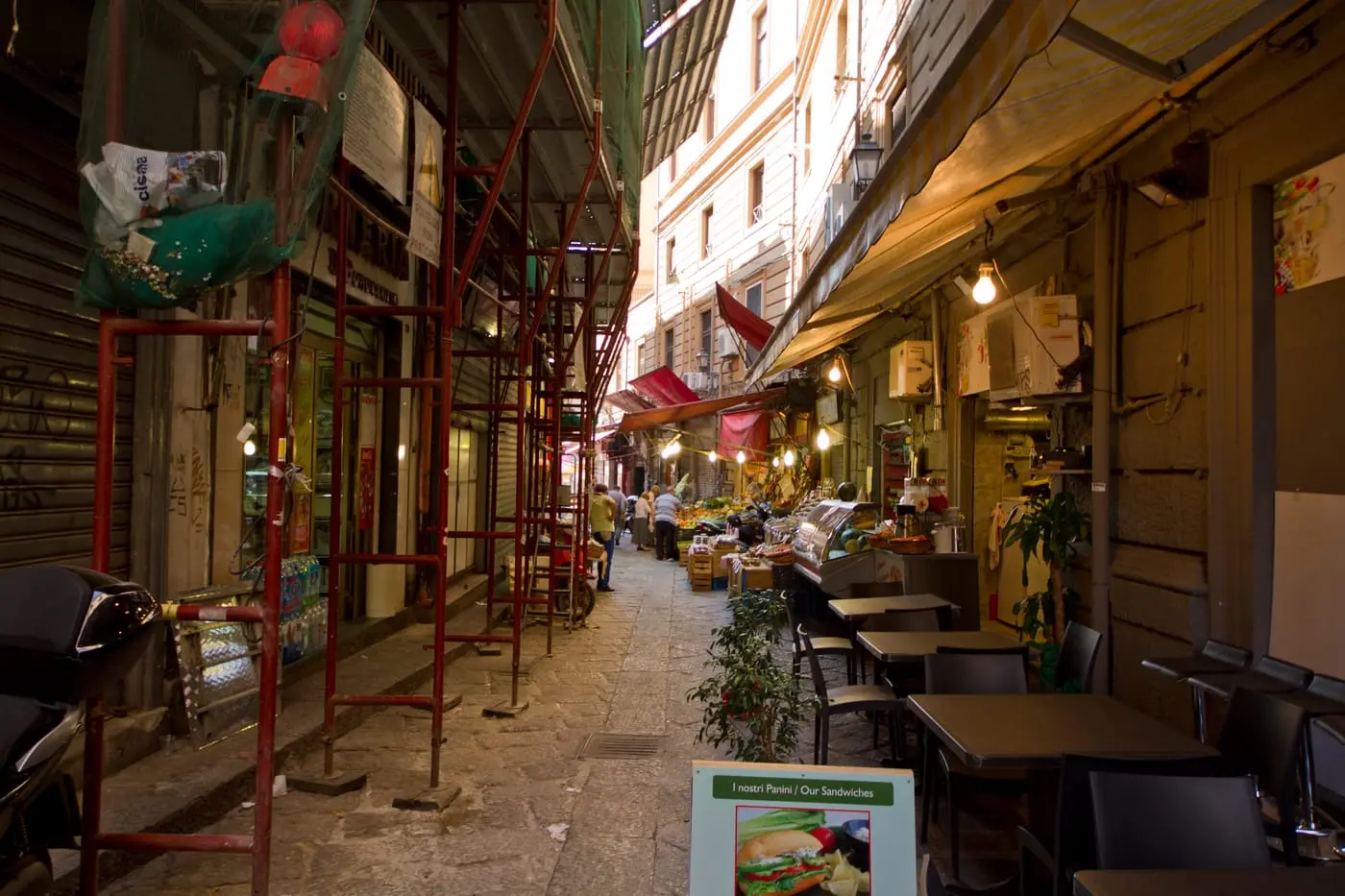 Photo: trolvag, via Wikimedia Commons (CC BY-SA 3.0)
That’s great if it’s exactly what you’re after. It’s the worst possible choice if you want to sleep. I don’t know a single person from Palermo who’d actually live right on that square — the music runs into the early hours, and despite the trendy bars, the area around the Vucciria market can feel rough after dark. On top of that, wherever you get large crowds and a lot of alcohol, you also get more pickpockets than elsewhere in the old town.
Who is Vucciria for? Anyone who wants to be part of the nightlife themselves and travels with earplugs. Not the best pick for a quiet first visit with early mornings planned for sightseeing — unless you book a street or two away from the actual action.
Libertà / Politeama: the low-key, modern alternative
Via Libertà and the Politeama district are the complete opposite of the three old-town neighborhoods above. This is the “new” city, built in the late 19th and early 20th centuries — wide boulevards, Art Nouveau façades, boutiques. Politeama and Via Libertà offer more modern amenities than Palermo’s other central neighborhoods, which makes them a solid base for anyone who wants a contemporary hotel, shopping, and comfort without losing the old town entirely from view.
The area is also considered particularly well-suited to families with children, since it’s quieter, cleaner, and less chaotic. The trade-off: less authenticity, less “classic” Palermo right outside your door, and a longer walk (15–20 minutes) or a short ride to reach Quattro Canti, the Cathedral, or Palazzo dei Normanni. If you want to wander the old town in the evening, you’ll need to head back over rather than simply stepping outside.
Who is Libertà for? Families, anyone who wants to genuinely unwind after a packed day, and travelers who see Palermo more as a comfortable base than as an immersive experience.
My honest recommendation
There’s no objectively “best” choice — it depends on what you want out of your time in Palermo (for more on picking a base anywhere on the island, see our where-to-stay guide). For a first visit of three or four nights, I’d recommend Kalsa: close enough to everything, lively but not as loud as Vucciria, with the sea as a counterbalance to the buzz. Capo is perfect if you’ve already spent time in southern Italy and know that street life doesn’t stress you out. Vucciria is something you book on purpose, not by accident. And Libertà is the right call if comfort matters more to you than excitement — which is completely fair, especially on a first trip to Sicily with kids, or if you just want to sleep through the night after a travel day.
Whichever neighborhood you pick, bring good shoes for the cobblestones (it’s on our packing list for a reason), ears ready for whatever soundscape comes with it, and an open mind about the fact that “old town charm” in Palermo also means crumbling plaster and improvised street life. That’s not a flaw — that’s the city.
Whichever of these you end up sleeping in, the quickest way to get a feel for the difference between them is to walk two of them back to back — which is essentially what this street food tour through Ballarò and Vucciria (affiliate link — booking through it costs you nothing extra and helps support this site) does on a first evening.
More on the city in the Palermo region guide.