Marzamemi: Fifty Fishermen's Houses Around One Square
 Daniele Bellia · 4 min read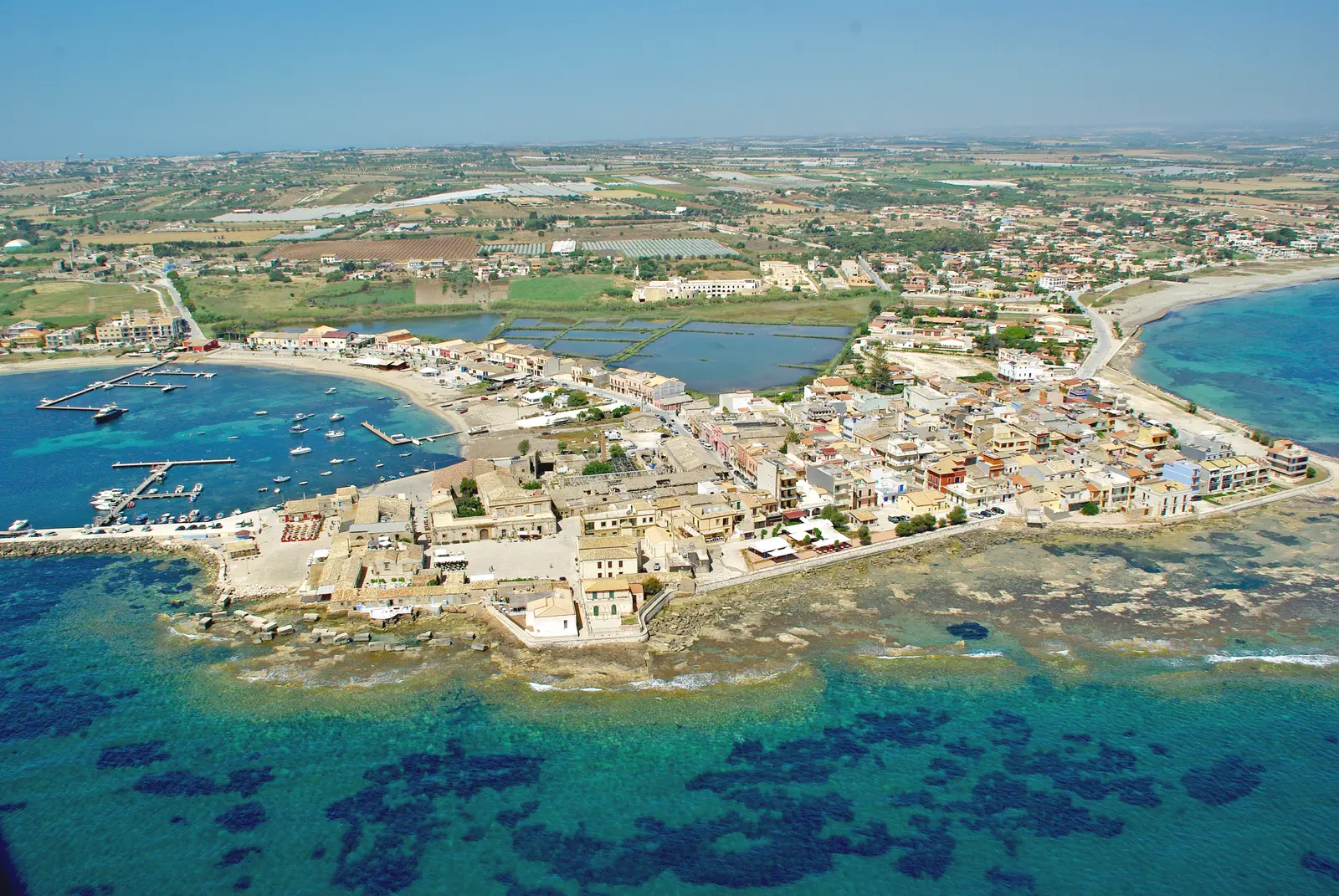
- Where — Marzamemi, in the comune of Pachino, on Sicily’s south-eastern tip
- What it is — an old tuna-fishing village built around a single square
- Cost — nothing to walk in; the square, the harbour and the church are all free
- Time needed — two or three hours, or an evening
- Getting there — car; about 50 minutes from Noto or Syracuse
- Best time — late September and October: still warm, and the August crowd is gone
Marzamemi is small enough to walk across in ten minutes and old enough that most of what you see was built before 1800. It sits on Sicily’s south-eastern corner, past Noto, where the island runs out.
The shape of the place is unusual and worth knowing before you arrive: it is not a town with a square in it. It is a square with a village built around it.
An Arab tuna fishery that never stopped being one
The Arabs established a tonnara here around the year 1000, and it became the most important tuna fishery in eastern Sicily. That is the reason Marzamemi exists at all — everything else was built to serve it.
The name is disputed, and both explanations are good. One reads it as marza (port) and memi (small). The other, from the Noto glottologist Corrado Avolio, traces it to the Arabic marsà al-hamām — “bay of doves”.
What you walk through today took shape between the mid-1600s and the mid-1700s. In 1752 the Palazzo del Principe di Villadorata went up, together with the church of the Tonnara, and the village settled into the arrangement it still has.
What is actually there
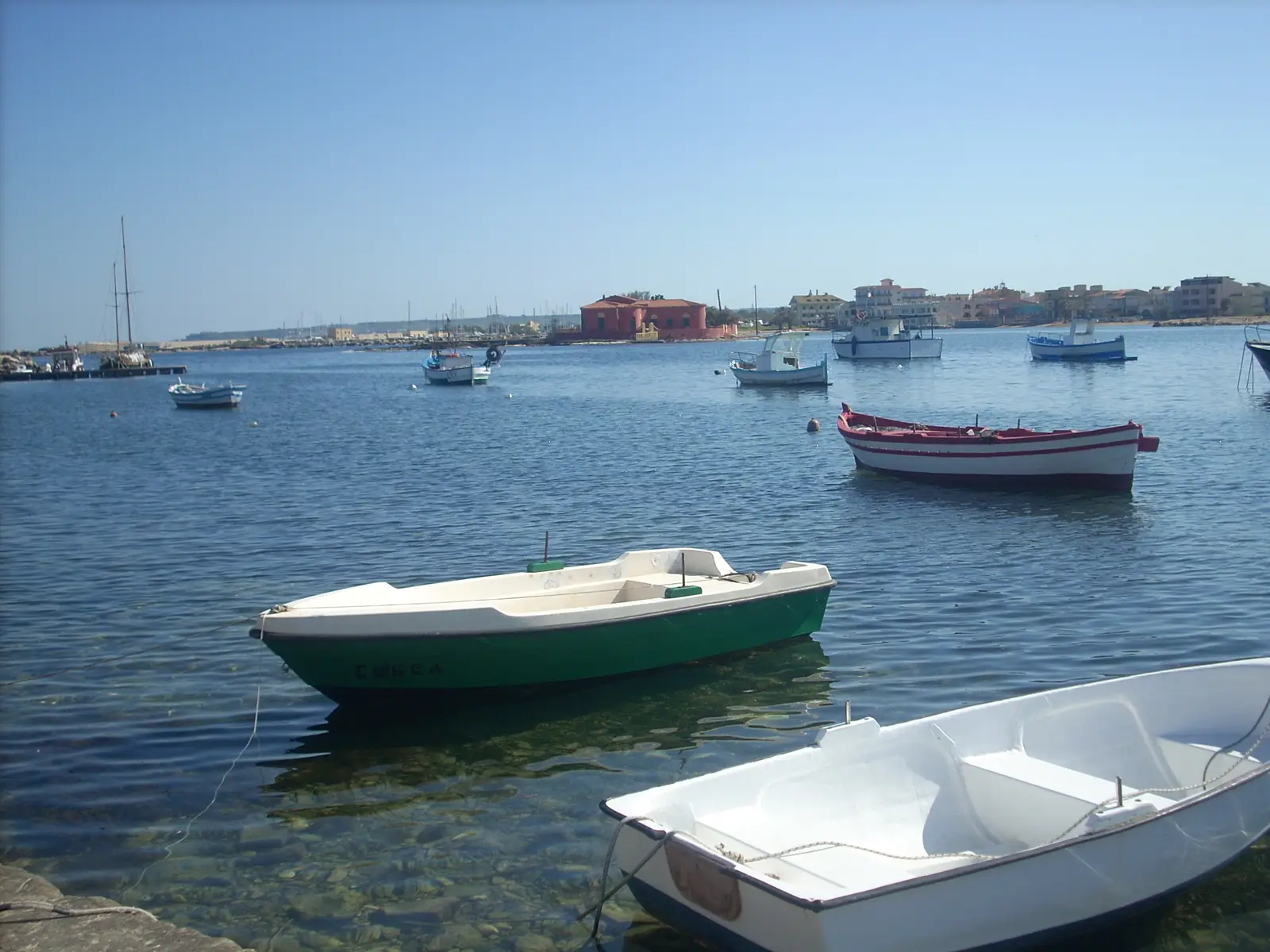 Photo: Jeanne boleyn, via Wikimedia Commons (CC0)
Around Piazza Regina Margherita you have, in a few dozen metres: the Palazzo del Principe, the Loggia degli Scieri, the church of San Francesco di Paola, the old tuna-processing works, and roughly fifty fishermen’s houses.
That is the whole village. The houses are low, flat-roofed and built from the local honey-coloured stone, and they face inward onto the square rather than outward to the sea — which tells you something about what mattered when they were built.
The tonnara buildings themselves are the reason to come. They are industrial architecture from a trade that has largely ended, sitting directly on the water, and they have been left legible rather than restored into something else.
The honest part
Marzamemi has been discovered. In July and August the square fills with tables, the parking becomes difficult, and the fishermen’s houses are mostly holiday lets and restaurants.
That is not a reason to skip it — it is a reason to go at the right time. In late September, October, or on a weekday evening in spring, it returns to being a very small place where the light comes off the water onto pale stone, and you can hear the boats.
Come in mid-August at lunchtime and you will wonder what everyone is talking about.
Practical tips for visiting
- Go in the evening. The village faces west across shallow water, and the last hour of light is what people remember. It is also when the day-trippers leave.
- You need a car. There is no useful public transport here. It is roughly 50 minutes from Noto or Syracuse, and the last stretch is ordinary country road through the greenhouses of the Pachino tomato country.
- Park outside and walk in. The centre is tiny and mostly pedestrian in practice. Do not try to drive to the square.
- Eat fish, and check how it is priced. This is a tuna village and the seafood is the point — but as everywhere on the Sicilian coast, fresh fish is often sold by weight rather than per plate. Ask “quanto pesa, e quanto viene in totale?” before you order.
- Combine it with the coast, not with the baroque. Portopalo and the southernmost tip of Sicily are fifteen minutes further; Vendicari and its beaches are back towards Noto.
My honest verdict
Marzamemi is a half-day at most, and it is worth building an evening around rather than squeezing between two baroque towns.
What it offers is unusual for Sicily: a working village that was never anything else, whose entire form was dictated by one industry, and which is still shaped like that after two hundred and fifty years. The Val di Noto towns are grand and planned. This is the opposite — small, functional, and built by people who needed somewhere to put the boats.
Go late in the day, eat by the water, and stay until the light goes.
Planning the south-east? Our interactive map of Sicily has Marzamemi alongside Noto, Vendicari and the beaches — more at sicily-insider.com.