Filicudi: The Aeolian Island That Never Learned to Perform
 Daniele Bellia · 6 min read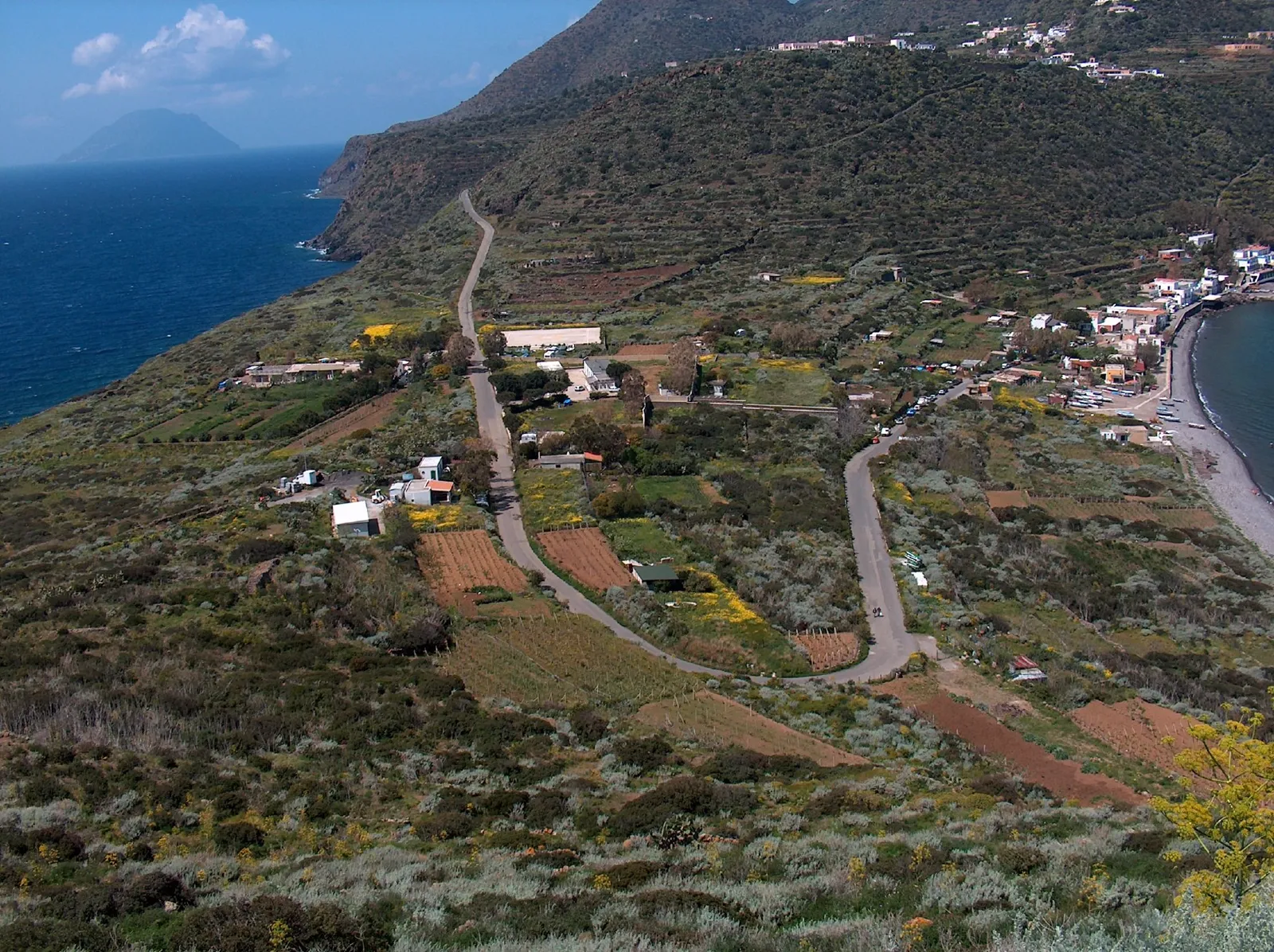
- 📍 Location: Western Aeolian Islands, province of Messina — second-furthest from the Sicilian coast
- ⛴️ Getting there: hydrofoil from Milazzo, under 2½ hours; ferry around 4½ hours
- 👥 Population: a few hundred, spread across four hamlets
- ⏱️ Time needed: a full day as a boat trip, three nights to actually understand it
- 🤿 Best for: swimming, sea caves, archaeology and doing nothing — not for nightlife
The Aeolian archipelago has seven islands, and most visitors meet four of them. Lipari is the hub, Panarea is the glamorous one, Stromboli is the one that erupts, Salina is the green one with the capers. Vulcano gets the day-trippers who want the mud.
Then there are the two on the far western edge that almost nobody reaches: Alicudi and Filicudi. They are not undiscovered — that word is usually a lie — but they are genuinely unvisited, which is a different and more useful thing. Filicudi is the more approachable of the pair, and it is the one worth your three days.
What is actually on it
Filicudi is small, steep and volcanic, and the interesting things are concentrated at its edges.
Capo Graziano, the headland on the eastern side, holds one of the most significant prehistoric sites in the Mediterranean. Excavations between 1952 and 1969 uncovered 27 oval huts clustered tightly together on the Montagnola, 174m above the sea. Around 1700 BC the inhabitants moved up here from the shoreline below — a defensive decision, made by people whose names nobody will ever know, still legible in the ground three and a half thousand years later. The culture found here was important enough that archaeologists named an entire Bronze Age phase after the place: the Capo Graziano facies.
The Grotta del Bue Marino — the Sea Ox Cave — is the largest sea cave in the Aeolian Islands. The name comes from the monk seal, which once bred here in numbers and no longer does. You reach it by boat, and the light inside is the reason people go.
La Canna is the one you will have seen in photographs without knowing where it was: a basalt spire standing 71 metres out of open water off the western coast. It is not a rock that fell off the island. It is the solidified magma from inside a vent, left standing after the softer cone around it eroded away — the plumbing of a dead volcano, with the volcano removed.
The four hamlets, and why that matters
There is no town on Filicudi. There are four settlements, and knowing which is which decides where you sleep.
Filicudi Porto is where the hydrofoils dock and where most of the beds, the shop and the practical life are. Pecorini a Mare is the postcard: a small fishing hamlet on the southern shore, a pebble beach, a handful of places to eat, and the strongest argument for staying more than a day. Valdichiesa sits inland in the saddle between the peaks, agricultural and quiet even by Filicudi standards.
And then there is Zucco Grande, which is abandoned. A hamlet of stone houses on the north-eastern flank, emptied by emigration, reachable only on foot along a mule track. Going there is the single most Filicudi thing you can do with an afternoon.
Getting there is the filter
This is why the island stays empty, and it is worth being honest about it rather than romantic.
Filicudi is roughly two and a half hours by hydrofoil from Milazzo, and about four and a half by ferry. Liberty Lines runs the hydrofoils, Siremar the ships. Milazzo itself is an hour from Messina and around ninety minutes from Catania airport, so the realistic door-to-door figure from a morning landing is most of a day.
Connections thin out sharply outside summer, and a sea state that barely registers on Lipari will cancel a Filicudi hydrofoil. Build a spare day around any Filicudi leg, particularly on the way back to a flight. This is not a theoretical risk on the western islands, it is a normal October.
What there is to do, said plainly
Swim, walk, eat, and look at things that are very old. That is the list, and if it sounds thin, Filicudi is not your island — Panarea is two hours away and does the other thing extremely well.
The water is the main event. The island’s coastline is almost entirely rock, which means clarity, depth close to shore and some of the best snorkelling in the archipelago. Boat trips circle the island, stopping at the Bue Marino cave and at Punta Perciato, a natural arch on the western side.
This boat tour from Lipari covers both Filicudi and Alicudi with swimming stops (affiliate link — booking through it costs you nothing extra and helps support this site) — worth knowing about if you cannot give the island a night but still want to see the cave and the sea stack, which is the half of Filicudi you cannot reach on foot.
On land, the walk up to Capo Graziano takes under an hour from the port and the site is open ground rather than a ticketed monument. The mule track to Zucco Grande takes longer and rewards more.
When to go, and when not to
June and September are the island’s best months. The sea is warm, the hydrofoils still run properly, and there are enough people for the restaurants to open without there being enough to notice.
July and especially August are the exception to everything written above — the population multiplies, Pecorini fills, and the thing you came for is temporarily elsewhere. Avoid if the emptiness is the point.
Winter is for a particular kind of traveller. Several places close entirely, connections drop, and you should not plan a winter trip without confirming directly with your accommodation that they are open and that the boats are running.
How it compares to Alicudi
If you are choosing between the two western islands: Alicudi is the extreme version. No cars at all, no paved roads, goods still moved by mule, a single shop, and a staircase instead of a street. It is remarkable and it is hard work.
Filicudi is the one where you can do this without it becoming an endurance exercise. It has roads, a few vehicles, more than one place to eat and the archaeology. If you have never tried an island this small, start here; if Filicudi felt crowded, Alicudi is waiting.
Practical tips
Book accommodation before the boat. There are very few beds on the island and they are gone early for June and September. This is the reverse of how you would plan Lipari.
Bring cash. Card acceptance is patchy and there is no reliable cash machine — draw what you need on the mainland or on Lipari before you sail.
Bring your own snorkel and reef shoes. The coast is rock and pebble, not sand, and rental is not something you can count on.
Do not plan on a car. Vehicle space on the ferries is limited and the island does not need one — it is small, and what you want to reach is either walkable or only reachable by boat.
Pharmacy and medical care are minimal. Bring anything you actually depend on, in the quantity you need, rather than assuming you can buy it there.
Eat where the boats are. Pecorini a Mare in the evening is the island at its best, and booking a table in season is not optional despite how quiet the place looks at four in the afternoon.
Check the return crossing the day before, every time. The wind decides, not the timetable.