Etna Eruption & Catania Airport: Is It Closed Right Now?
 Daniele Bellia · 4 min read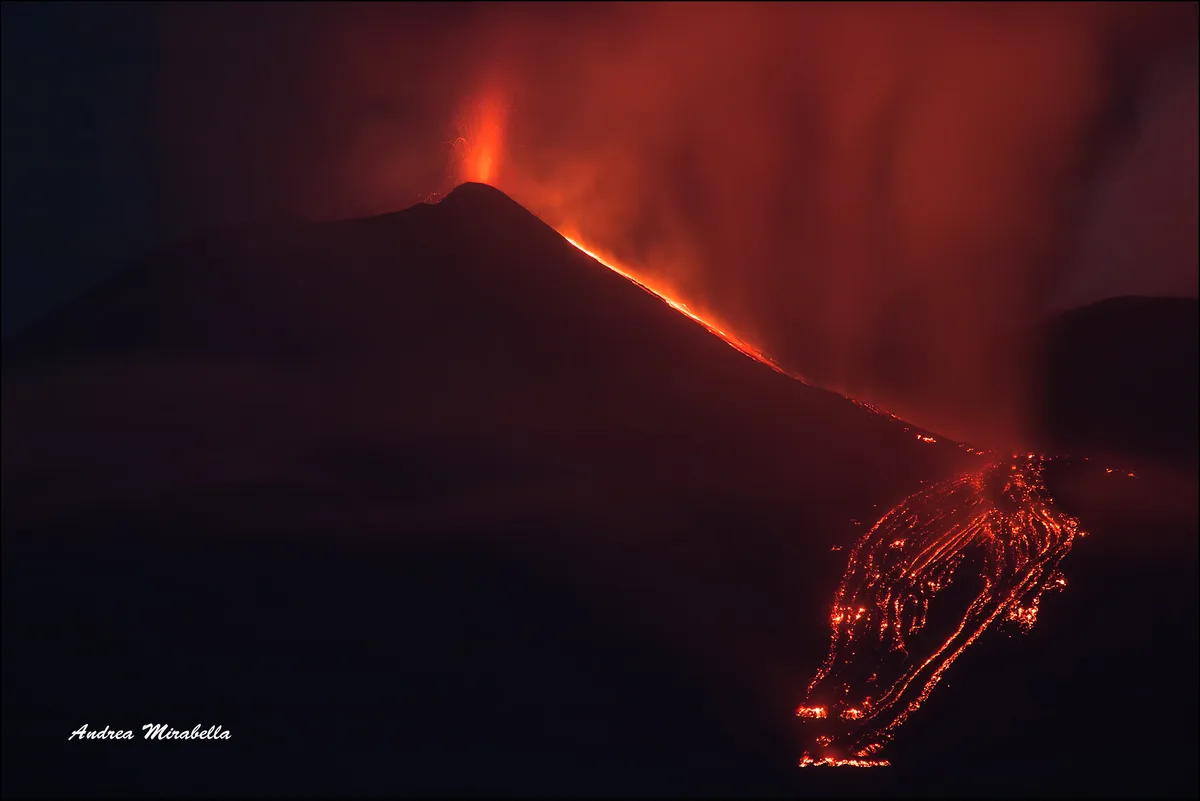
Update, August 12, 2026: this article covers the July closure — a much bigger, ongoing disruption is happening right now. Etna has been erupting continuously since August 7-8, with a new vent near Monte Simone and around 700 flights cancelled at Catania since it started. The airport closure has been repeatedly extended and currently runs until 4:00pm on August 13. For the current situation, see our dedicated August 2026 Etna eruption & Catania airport article or the live-updated Etna Live page. The rest of this page describes the smaller July closure and is kept for reference.
Update, July 30, 2026: new eruptive phase, airport unaffected so far. A new phase started overnight at the Voragine crater — Strombolian activity that evolved into lava fountains, with an ash column drifting northwest. INGV issued a red-level VONA (aviation) alert and a precautionary airspace closure over the summit itself, but Catania airport is operating normally with no impact on commercial flights so far. Watch it live on our Etna live page, and check aeroporto.catania.it directly before you travel — this can change quickly.
Update, July 7, 11 AM: airport reopened. After INGV downgraded the volcanic alert level from red to orange (less strombolian activity, less ash emission), Catania airport resumed flight operations. After 48 hours of shutdown, expect lingering delays and disruption — check status with your airline.
Quick update for anyone traveling to Sicily right now or about to book: Etna erupted overnight between July 5 and 6, 2026, sending an ash column roughly 1.5 kilometers high from the Voragine crater. This isn’t minor — Catania-Fontanarossa airport had to fully suspend flight operations because of it.
What was closed
Both arriving and departing flights at Catania airport are suspended until Tuesday, July 7, 10:00 AM — volcanic ash is a serious hazard to aircraft engines and runway visibility. Several flights have already been diverted to Palermo and Comiso (Ragusa province) airports.
What to do right now
- Check directly with your airline — not with us or any other blog. The situation is changing hour by hour.
- Check the official Catania airport status (aeroporto.catania.it) for the most current information.
- If your flight gets diverted: Palermo and Comiso are the alternate airports named so far — once Catania reopens, there are train and bus connections onward toward Catania/eastern Sicily.
Watch the eruption live
If you want to watch it from a safe distance: our Etna live webcam page shows the official INGV stream in real time.
How often does Etna actually erupt?
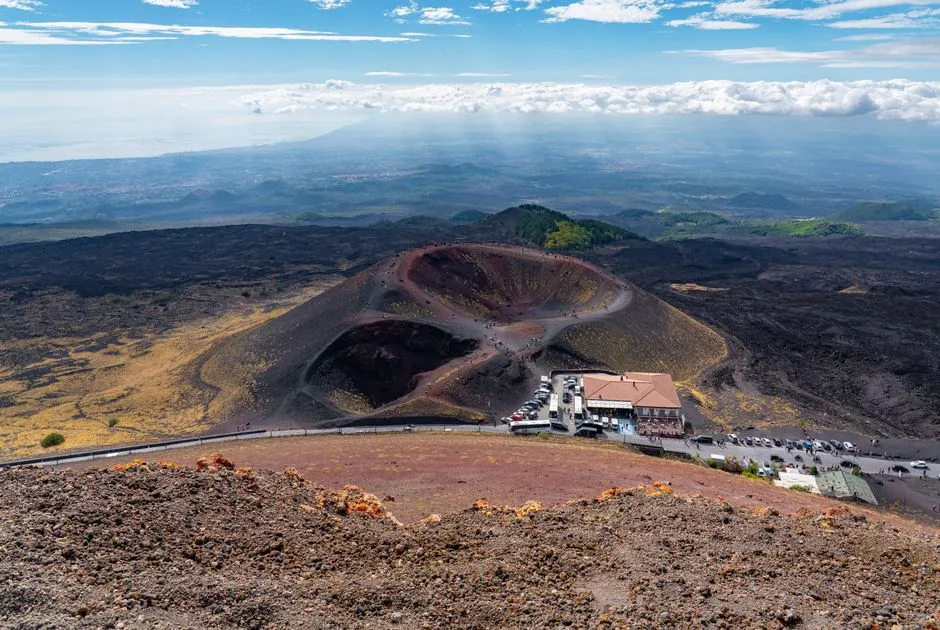
Photo: Timo Volz
More often than most travelers expect. Etna has four active summit craters (Voragine, Bocca Nuova, Northeast, and Southeast), and at least one of them is showing some form of activity almost constantly — gas emissions, occasional nighttime glow, small ash puffs. That’s routine and generally doesn’t affect flights at all. Things get critical only during so-called paroxysmal episodes: short, intense outbursts with lava fountains and an ash column tall enough to reach the flight corridors above Catania. The Southeast Crater alone has produced several such paroxysms per year in recent years, most notably a whole series in 2021 and repeatedly since 2023/2024. Most of these last only hours to a few days, and the airport typically reopens as soon as the wind direction shifts or the ash concentration drops below the threshold that’s dangerous for jet engines.
For trip planning, that means: an Etna eruption on its own isn’t a reason to worry, and it’s often a genuinely spectacular thing to witness (from a safe distance) — plenty of Sicily fans time their visits around exactly that. It’s the combination of wind direction and ash-column height that decides whether the airport briefly closes. If you’re already in the region, our Etna live page gives you the current status at a glance instead of chasing rumors in travel forums.
What this means for future eruptions
Etna is one of Europe’s most active volcanoes — ash clouds that briefly shut down Catania airport happen fairly regularly, usually for a few hours to a few days. If you’re planning a trip to Catania, it’s worth factoring in: travel insurance with flight-disruption coverage isn’t a bad idea for Sicily trips (more on that in our trip cost guide), and Palermo and Comiso are the nearest alternate airports if it happens again. The fastest way to check current status is directly at aeroporto.catania.it or on our Etna live page.
See Etna and the surrounding area on our interactive Sicily map.
This page is kept updated to the best of our knowledge, but it doesn’t replace official sources (your airline, the airport, INGV) for travel decisions.